
You can never have enough proper biscuit recipes. Once you’ve mastered the basics – shortbread, gingerbread, peanut butter, etc – it’s time to seek out something a bit different.
We made these thin and crispy biscuits on clearing out the kitchen cupboards and discovering the last dregs of a can of forgotten treacle.
“Time to use it up”, said Lara.
Recipe next….

I’ve written a piece about the restaurants and bars in Saltaire for Leeds-based arts and culture blog, The Culture Vulture.
This is the first time I’ve written a guest piece for anybody else, and I’m very grateful to Emma at The Culture Vulture for giving me the opportunity in the first place, and even more grateful that she actually published what I wrote.
My piece is here, but don’t stop there – the rest of The Culture Vulture is simply brilliant.
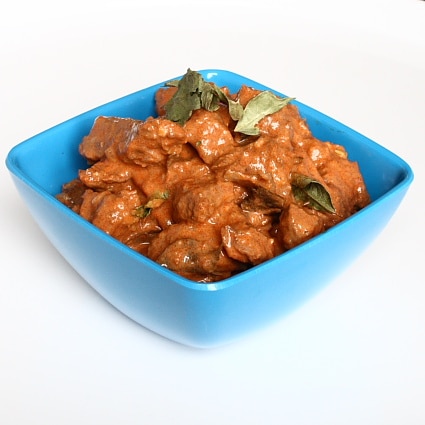
Most meat-based curries from the sub-continent use lamb, mutton or goat as their core ingredient.
Beef isn’t used widely, mainly for religious reasons…the Hindu sacred cow is never destined for the pot.
Traveling around India, you quickly become used to the sight of cows wandering around the streets, unflustered by the traffic mayhem around them, a sense of calm and wisdom reflected in their deep, black eyes.
This isn’t the case across the whole of the country, or in other close-by states. Sri Lanka has a predominantly Buddhist population, and the consumption of beef is more widespread, despite huge commonalities in both language and culture with it’s enormous neighbour.
This is a typical Sri Lankan red beef curry. It uses a lot of paprika and cayenne pepper to create a bright but earthy red colour. It has the look of a dish from the south of the sub-continent, heat and fire cooled with coconut milk.
Recipe next….
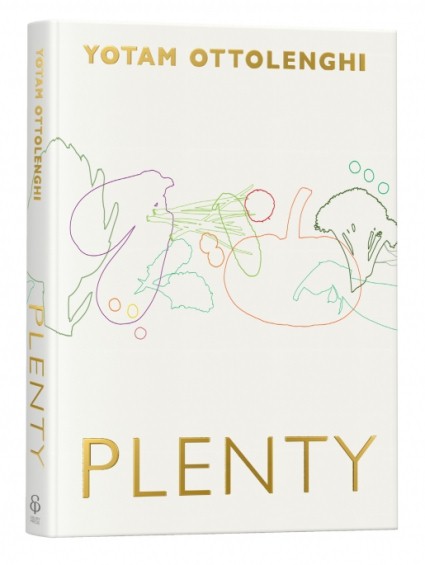
I must admit to approaching Yotam Ottolenhi’s Plenty with some trepidation.
It’s a vegetarian cookbook.
I am not a vegetarian. You may have noticed this. Vegetarian cooking just isn’t my strong point.
I’m not militant about my meat-eating, though, and I’m not averse to vegetarian cuisine. I just don’t think about my cooking as either ‘carnivorous’ or vegetarian’. I just cook whatever I want, and sometimes that includes meat or fish and sometimes it doesn’t.
This position is something that Ottolenghi breaks down and works with. He isn’t a vegetarian, either, and his slant on vegetarian cooking casts this division aside and concentrates on the food itself. A dish either has meat in it or it doesn’t. Plenty is just a collection of dishes that don’t. That’s all.
More new vegetarianism…

Saltaire Brewery have an interesting approach to brewing.
They brew lots of different beers. No, really, lots….
There’s at least twenty-five beers listed on their website at the moment. Of course, they’re not all in production at the same time, but it shows that they’re willing to experiment a little and try things out. That’s no bad thing.
Amarillo Gold is a clear light wheat beer at 4.4% ABV, hopped entirely with American Amarillo hops. Amarillo hops are extremely distinctive, giving a fragrant and flowery taste. They’re patented and grown only by Virgil Gamache Farms in the Pacific Northwest.
Amarillo Gold is a decent enough beer, clearly brewed with one eye on summer. There’s some lemon or grapefruit in there, with a strong, pleasant bitterness.
It’s perhaps a little thin and lacking some body, but served cold on a scorching hot summer day, that’s no problem.
Currently available at The Boathouse Inn, Saltaire.
