Good meat is important.
If you’re going to eat an animal, the least you can do is to make sure that it was treated well when it was alive, and that you use its meat with care and respect.
Can you always do this, though? Do you get a clear picture of where your meat came from, how it lived, what it was fed?
Probably not, especially if you buy meat from a supermarket.
You won’t get this at a good number of butchers shops, either, but there are butchers out there who understand the importance of good animal husbandry and how it impacts on the quality of the finished meat, how the quality of an animal’s life influences the quality of its meat in death.
These butchers are few and far between, but they’re out there.
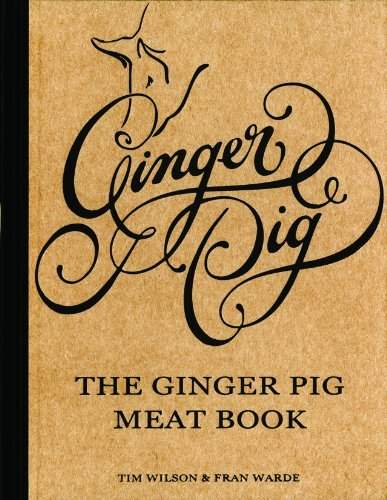
The Ginger Pig Meat Book
Wilson’s is a successful business comprising a North Yorkshire farm and a clutch of butchers shops that supply a number of top restaurants around the country and his experience and ability are key to this book, a cookbook with a keen eye on the parts of the food production chain that most other cookbook writers leave out.

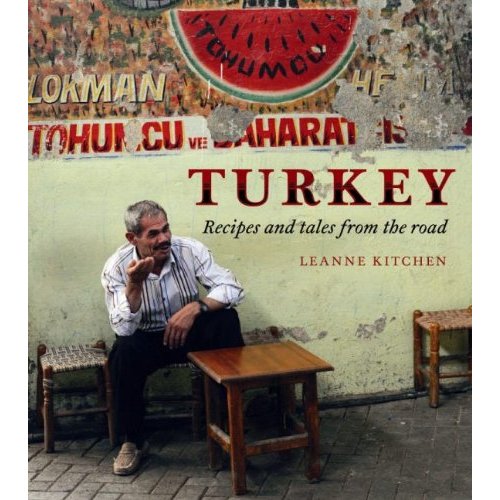
 by Leanne Kitchen, an inspirational and detailed look at Turkey’s rich and varied culinary heritage.