Most of the bread I bake follows a fairly standard pattern. I’ve got a couple of staple recipes, one for an everyday loaf that works well for white or whole grain and any variation in between and a couple of ways with sourdough, too.
The everyday loaf is the most versatile, and it can easily and quickly become a pizza base, a foccacia, a ciabatta or anything of that ilk. It’s good to have a recipe like that in the bag, something that you know and understand well, to the point when you can just make it without thinking. That’s what makes you a baker and not just somebody who makes bread every now and again, that moment when you tip over from just following a recipe to making a loaf by feel and touch.
There’s always something else, though.
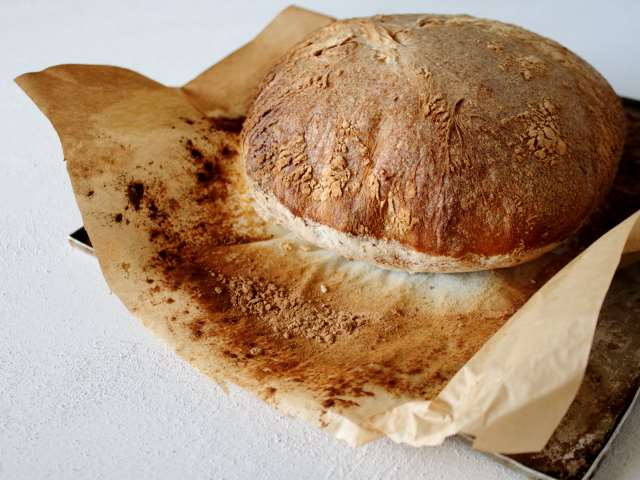
This is an Italian loaf characteristic of the area around Lake Como. It has a wide, open texture in common with many other Italian breads, and a developed, subtle flavour. The structure comes from the fact that the dough is very wet, and quite sticky and difficult to handle – it’s the water that causes the open texture, and it’s worth persevering and working carefully with the dough to get it right. The spring in the oven, the amount that the dough bounces into life when it hits the fierce heat, is quite exceptional in this loaf.
There are two stages in making Como bread – a pre-ferment and a bulk fermentation.
Essentially, that means that a small amount of dough is made ahead of time and allowed to develop and mature before being used as the base for the actual loaf. This technique of long, slow fermentation is very successful, and provides a complexity that’s entirely missing from loaves made in one go from start to finish, good as they are. One little trick to catch a small part of this extra flavour is to save a golf ball sized piece of dough every time you bake and keep it in the fridge. The next time, work the old dough into the new, and you’ll add an extra layer of complexity to the new loaf’s flavour.
The initial dough is called a biga in Italian. The difference between a biga and a normal sourdough starter is that a biga normally has commercial yeast in it, but the same principles apply when handling the two types of starter.
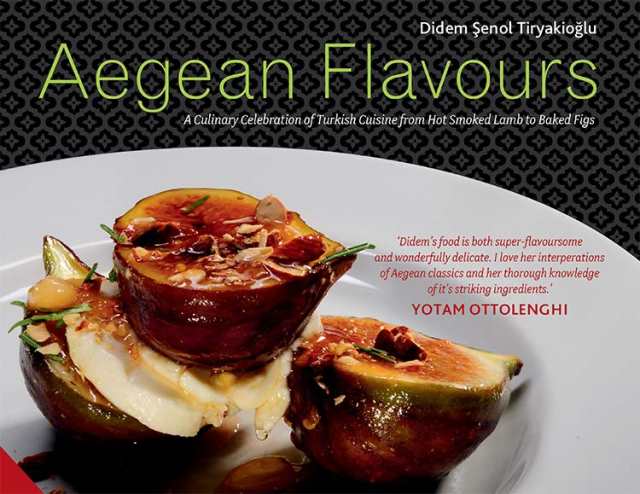
 , is a jaunt around eleven of the Aegean region’s best markets, showcasing the best food each has to offer. Part travelogue, part recipe book, Şenol’s book is a vibrant collection of regional recipes, many originating from her own restaurant and experience as a chef in both Turkey and the U.S. Her food is accessible and exciting, challenging and warming.