Fried, scrambled, poached, boiled?
This is going to be difficult, isn’t it?
No, no. It’ll be fine. Eggs = breakfast, right?
Yes, that’s right. They do equal ‘breakfast’, but that’s the mere tip of the iceberg. All of those ways are superb ways to eat an egg, but egg-appreciation can’t just stop with a couple of rashers of bacon alongside. There’s much more to the humble egg than just that.
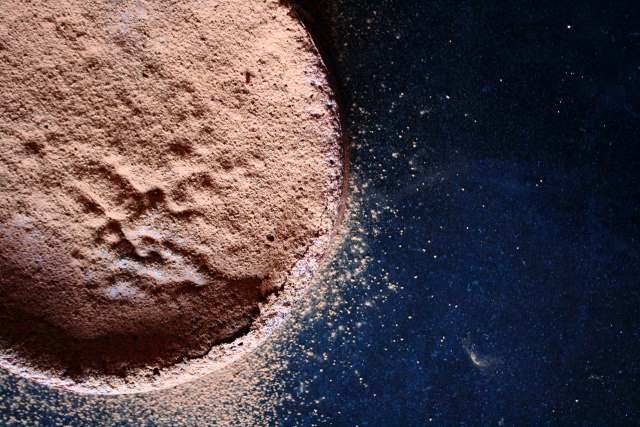
Think of an egg as a spacecraft.
A spacecraft?
Yes, a spacecraft.
You’ve got to realise exactly what an egg is, and what it’s for. An egg is an incubator. It’s a container that holds the very essence of life itself, with everything that life needs to get a kick-start … protection, food, energy. It’s just like a little self-contained spacecraft, except without the whole rocket and orbiting the earth bit.
I see. A little far-fetched perhaps, but there’s a good point in there somewhere …
There sure is. The fact that an egg has all the things on board that are needed to give birth to life means that it’s the most primordial and essential of food. Those nutrients that are intended to nourish a chicken embryo give us a powerful dose of protein, amino acids, minerals and vitamins in a handy, portion-sized shell, and on top of that, it’s so very versatile.
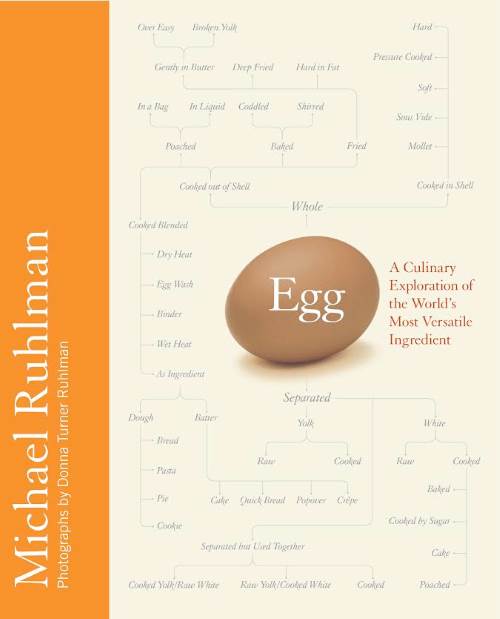
Micheal Ruhlman, in the introduction to his new book, Egg: A Culinary Exploration of the World’s Most Versatile Ingredient, writes of a conversation with the author and TV presenter Alton Brown, who mused that he thought of the egg as the Rosetta Stone of the kitchen, something that ‘unlocks the secret language of the kitchen’. The egg is more than just a breakfast staple – it’s the glue that holds the kitchen together, the gateway to truly wonderful cooking:
Learn the language of the egg – understand completely the amazing and beautiful oblong orb – and you can enter new realms of cooking, rocketing you to stellar heights of culinary achievement.
Blimey! I’d better up my game with them there eggs. Where do I start?
Funny you should ask. I’ve been engrossed in Ruhlman’s book for weeks now. It’s a superb place to start if you want to find out more about cooking with eggs and the colossal range of things you can do with them.
Ruhlman has some pedigree – his earlier book, Charcuterie: The Craft of Salting, Smoking, and Curing, is my most often recommended introduction to curing and preserving meat. That book gives open, no-nonsense, practical guidance on a very tricky subject indeed, and I’ve had some huge successes through using it. Egg is just the same, a comprehensive and well-researched volume of recipes and information that’s both accessible and informative. More…

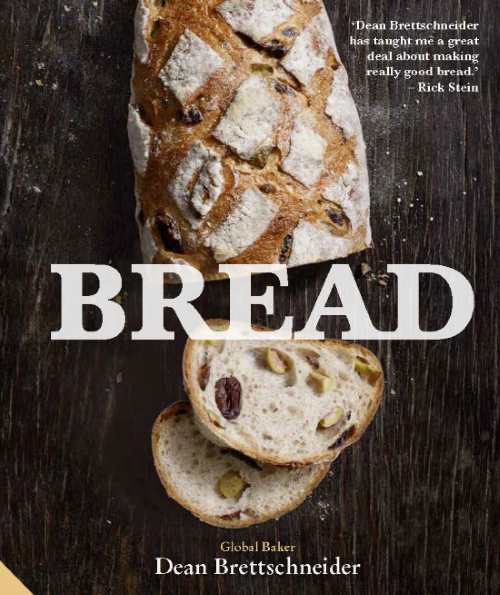
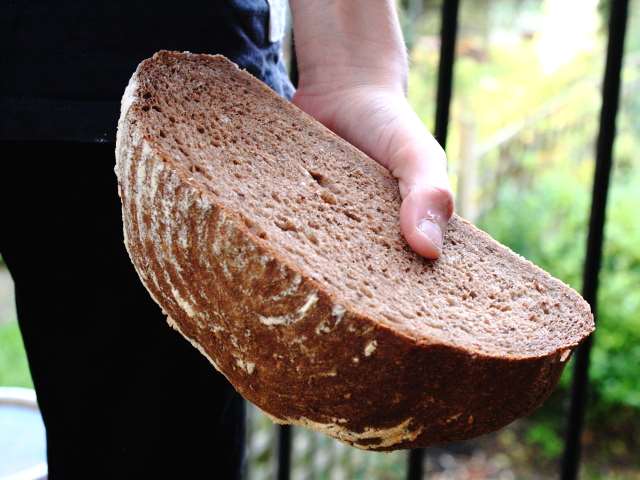
 , places this rye and caraway loaf in Jewish New York, but a little cross-referencing, notably with Daniel Leader’s superb
  reveals its roots lie in Poland and the Czech Republic. The similarities between this loaf and a rye sourdough I sometimes buy from the local and long-established Polish bakery are striking.